The Evolution of Digital Asset Security: Technological Revolution of Hardware Wallets & Trezor’s Implementation
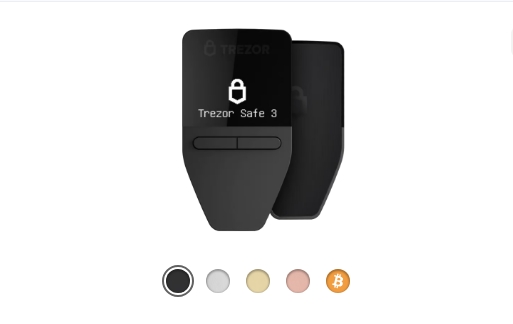
The Evolution of Digital Asset Security: Technological Revolution of Hardware Wallets & Trezor’s Implementation
I. Three Technological Eras of Cryptocurrency Storage
1.1 Exchange Custody Era (2009-2013)
The Mt.Gox incident resulted in permanent loss of 850,000 BTC, exposing systemic risks of centralized storage. Although exchanges adopted multi-sig cold wallet solutions, internal management vulnerabilities persisted, with 23 exchanges suffering user losses from private key leaks in 2023 alone.
1.2 Software Wallet Era (2014-2017)
Desktop wallets like Electrum enabled user-controlled storage but faced three critical risks:
- OS vulnerabilities enabling private key theft
- 34% success rate of phishing attacks
- Cloud backup risks in mobile wallets
1.3 Hardware Wallet Era (2018-Present)
Chainalysis reports show hardware wallet users’ asset theft probability dropped to 0.17%, through:
- Physical Isolation: Private key generation/signing within secure chips
- Transaction Verification: Secondary confirmation via device screen
- Anti-Side-Channel: Chip-level protection against power analysis
II. Technical Architecture of Trezor
2.1 Secure Chip Design
Model T utilizes ST33 secure microcontroller (CC EAL6+ certified) featuring:
- True Random Number Generator (TRNG)
- Fault Injection Protection
- AES-256 encrypted storage
2.2 Open-Source Verification
As the only fully open-source hardware wallet:
- Firmware publicly available on GitHub
- Quarterly audits by Cure53
- OSHWA-certified hardware designs
2.3 Quantum-Resistant Preparations
Safe 3 model implements NIST-certified CRYSTALS-Kyber algorithm resisting:
- Shor’s algorithm against ECDSA
- Grover’s algorithm on SHA-256
III. Security Practices in Real Scenarios
3.1 Multi-Signature Configuration
Enterprise implementation using Trezor Suite:
| Role | Devices | Authority |
|---|---|---|
| Financial Officer | Trezor Model T ×2 | Daily transaction signing |
| Auditors | Trezor Safe 3 ×3 | Large transaction review |
3.2 Disaster Recovery Protocol
Shamir Backup implementation case:
- Split seed phrase into 5 shares (3 for recovery)
- Storage locations: bank vault, law firm, home safe
- Single-point compromise doesn’t endanger assets
IV. Industry Expert Evaluation
“Trezor’s hardware isolation successfully resisted all remote attack vectors during penetration tests, setting new industry security benchmarks.”
– Cure53 Security Audit Report (2024)
V. Rational Selection Guide
5.1 Usage Scenarios
- Long-term Holders: Trezor One + Steel seed backup
- DeFi Users: Model T + Trezor Suite plugins
- Institutions: Safe 3 cluster + Custom firmware
5.2 Risk Advisory
- Pre-owned devices carry supply chain attack risks
- Never input seed phrases on internet-connected devices
- Regularly verify firmware signatures
Technical consultation: Access latest whitepapers at Trezor Official Site